Is Signed For Delivery Safer for Your Parcel?
- bogdan rusu
- Jul 25
- 5 min read

A parcel containing a contract, replacement part or high-value personal item should not simply disappear into a porch without a clear handover. So, is signed for delivery safer than a standard delivery service? Often, yes. A signature can add accountability at the point of delivery, but it is not a complete security solution on its own.
The right choice depends on what you are sending, how quickly it needs to arrive, whether someone will be available to receive it, and the level of visibility you need throughout the journey. For urgent or important consignments, a signed handover combined with tracking and responsive support provides much stronger reassurance than a basic unattended drop-off.
What signed-for delivery actually adds
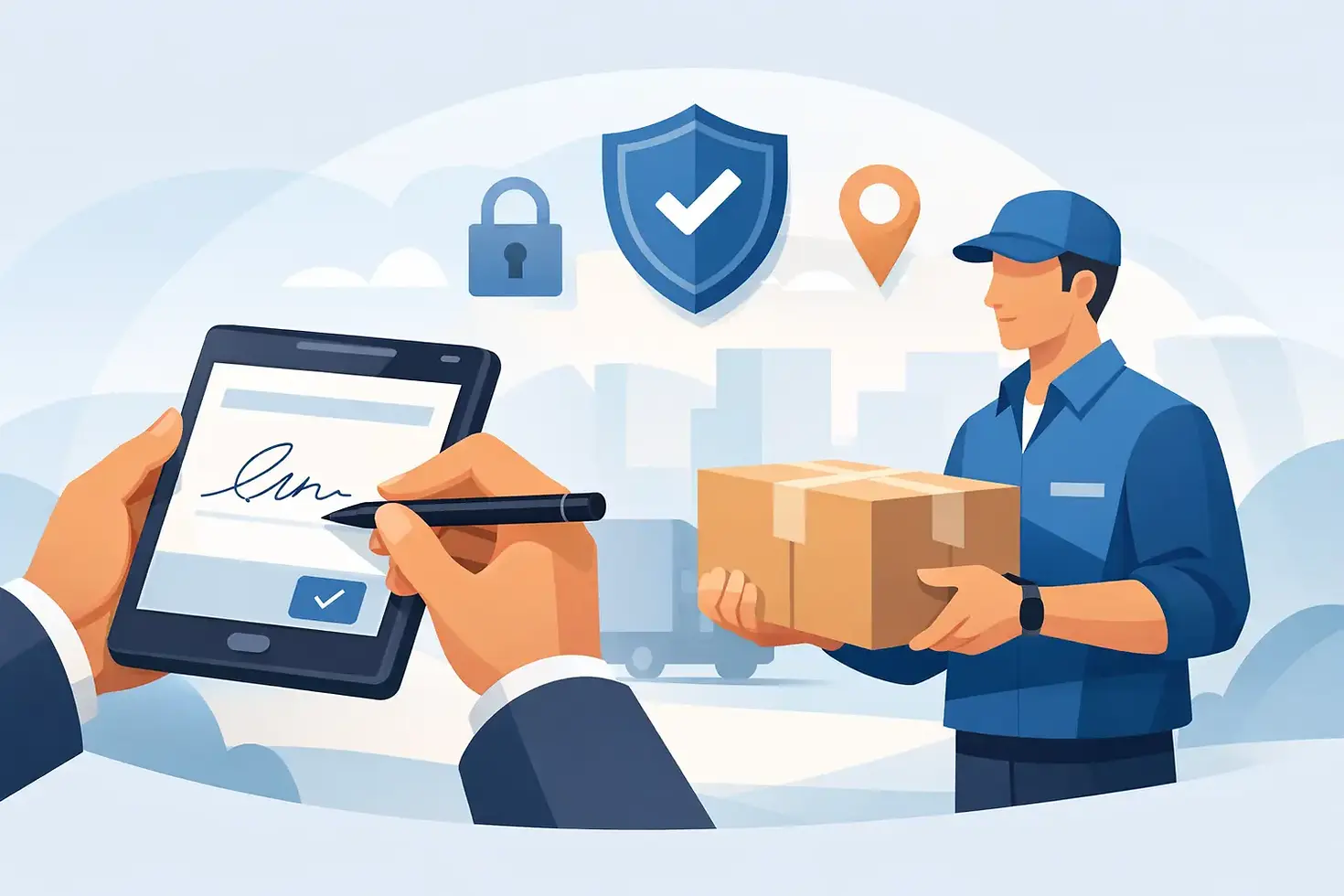
Signed-for delivery means the courier records confirmation that the parcel has been handed to someone at the delivery address, or to an authorised recipient under the service terms. This usually creates a delivery record showing the date and time of handover, with a signature or electronic confirmation.
That record matters if a sender or recipient needs to check whether a parcel arrived. It can help resolve the most common question quickly: was the item delivered, and when? For businesses sending documents, samples, stock or equipment, this evidence can also support internal records and customer service conversations.
A signature encourages a more deliberate handover. Rather than leaving a parcel at a door, in a communal entrance or another exposed location, the driver should seek a person who can accept it. This reduces the risk of a parcel being affected by poor weather, taken from an unattended doorstep or overlooked by the recipient.
Is signed for delivery safer in every situation?
Not always. Signed-for delivery is generally safer where the alternative is leaving a parcel unattended, but its value changes according to the delivery setting.
At a staffed office, shop or reception desk, a signed handover is usually very useful. There is a clear recipient, and the person accepting the parcel can bring it into the building promptly. For a home address where nobody is available during the day, however, requesting a signature may lead to a missed delivery attempt. That can be less convenient than arranging a scheduled time when the recipient knows they will be in.
A signature also does not necessarily confirm that the named recipient personally received the item. Depending on the service and instructions, another adult at the address, a colleague, receptionist or authorised neighbour may sign. That may be perfectly appropriate for many parcels, but it is worth considering when sending confidential documents, sensitive items or anything that must reach one specific person.
The signature itself is evidence of handover, not proof of the parcel's condition before or after it was accepted. If packaging is damaged, recipients should make a note of it when possible and report the issue without delay. Clear packaging, accurate consignment details and appropriate handling instructions remain essential.
When a signature is a sensible choice
Signed-for delivery is particularly well suited to items where an unconfirmed delivery could cause disruption, expense or a dispute. This includes legal and business documents, keys, replacement components, customer orders of higher value, medical equipment where appropriate transport arrangements are in place, and personal items that cannot safely be left outside.
It is also a strong option for businesses that want a reliable audit trail. If a supplier sends urgent parts to a site, knowing who accepted the delivery and at what time can help teams plan work and avoid unnecessary downtime. The same applies to retailers and service businesses arranging deliveries to their own customers.
For time-critical consignments, the signature should not be the only feature you assess. A service with real-time tracking, a defined delivery window and access to customer support may be more valuable than a signature alone. Knowing where the parcel is before delivery gives both sender and recipient the chance to act if plans change.
The security features that matter alongside a signature
The safest delivery arrangement is built in stages. Secure handling starts when the parcel is collected, continues through transport, and ends only when the item reaches the right destination.
First, make sure the parcel is packed for the journey. Use a sturdy outer box or suitable mailing bag, protect fragile contents with internal cushioning and seal every opening properly. Remove old labels so there is no confusion about the destination. Good packaging cannot prevent every issue, but it reduces avoidable damage and makes the consignment easier to handle safely.
Next, provide a full and accurate address, including the postcode, company name, department, flat number or any information needed to find the recipient. A mobile number can be helpful where delivery updates or access questions are needed. Vague instructions can create delays, particularly at business parks, hospitals, construction sites and large residential buildings.
Tracking is another important safeguard. It gives the sender visibility from collection through to delivery and can reduce uncertainty when a parcel is urgent. For recipients, updates make it easier to be available for a signature rather than missing the driver.
Finally, choose a service that suits the item rather than automatically selecting the lowest-cost option. A same-day dedicated courier service may be appropriate for an urgent document or vital component. An overnight service can be a practical choice for planned next-day delivery. For routine deliveries, a scheduled slot may offer the best balance between security, convenience and cost.
How to avoid missed deliveries without reducing security
The main drawback of signed-for delivery is simple: somebody needs to be ready to receive the parcel. A missed attempt can mean delay, rearrangement or collection from another location, which may be frustrating when the item is needed quickly.
The best approach is to plan the handover before booking. If the recipient will be at work, sending to their office reception may be more reliable than a home address. If delivery is going to a business, confirm its opening hours, any loading-bay procedures and the name of the person or department expecting the consignment.
For home deliveries, consider a time when someone can be present or use a scheduled delivery option where available. Tell the recipient to watch for tracking updates and to keep their phone nearby on the day. These small steps can prevent a failed handover without asking the courier to leave an important parcel in an insecure place.
Choosing the right service for valuable or urgent items
The value of an item is not only its purchase price. A low-cost document can be highly valuable if it is needed to complete a property transaction or meet a deadline. A modest replacement part can stop a vehicle, machine or office from operating. Think about the consequence of loss or delay, not just the cost of replacing the contents.
For those consignments, ask practical questions before booking. Does the service offer collection and delivery tracking? Can you arrange a dedicated vehicle or timed service if urgency is high? Is proof of delivery available? Can you speak to a support team if the delivery details need to change?
At GBF Couriers Logistics, secure handling, delivery visibility and clear communication are central to arranging parcels that need to arrive on time. For customers in Hatfield, Welham Green and across the UK, the most suitable option may be same-day, overnight or scheduled delivery depending on the urgency and receiving arrangements.
A signature is strongest when it supports a clear plan
Signed-for delivery is safer when it prevents a parcel from being left unattended and gives you a dependable record of handover. It is not automatically the best answer for every item, especially if no one can receive it or if a named-person delivery is essential.
Match the delivery service to the parcel, confirm who will be available and use tracking to stay informed. A well-packed parcel, accurate instructions and a planned handover give your delivery the best possible chance of arriving securely and without delay.


Comments